
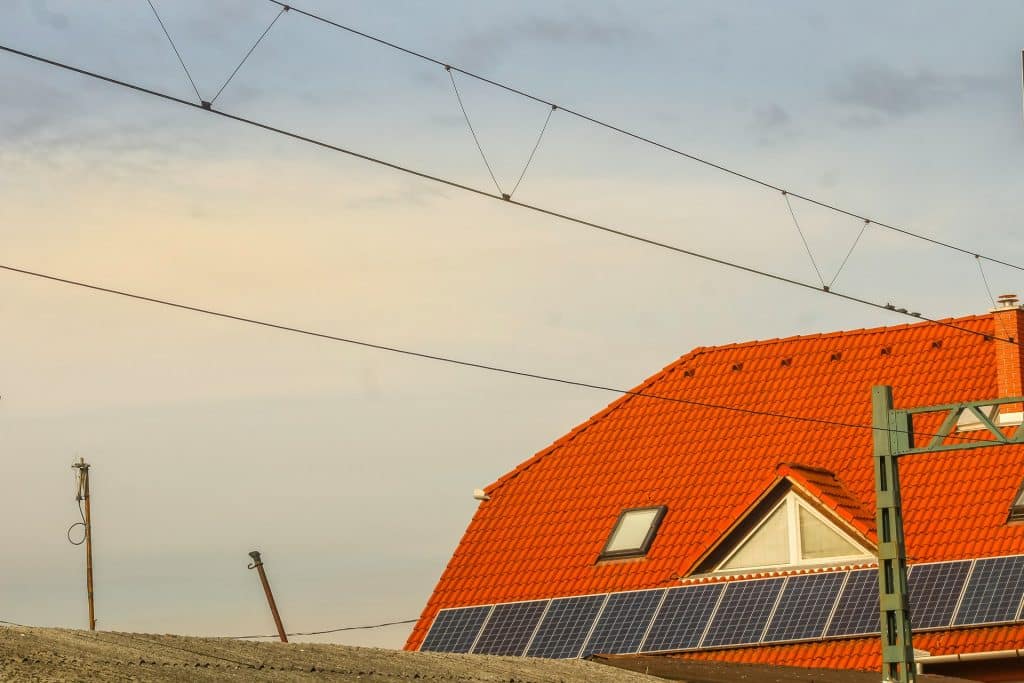
Electricity prices in Australia have more than doubled since 2010, and Queensland households are feeling it. With the cost of living stretched, reducing your power spending makes financial sense.
This guide walks through the practical steps to a more energy-efficient home, from no-cost changes to the bigger upgrades that deliver long-term returns.
Key Takeaways
- Start by reviewing your electricity bills and interval data so you understand when and how your home uses power.
- Energy-efficient appliances, LED lighting, insulation, sealing and shading can reduce wasted energy before you invest in larger upgrades.
- Solar panels are one of the most effective ways for Queensland homeowners to reduce grid reliance and lower electricity bills.
- Adding a solar battery helps store excess daytime solar energy for use at night and can provide backup power during outages, depending on the system setup.
- Smart energy systems and EV chargers can help you make better use of solar power, optimise household loads and prepare your home for future energy needs.
Why Energy Efficiency Matters
The most immediate reason is the bill. Less energy wasted means less money paid to the grid, and the savings compound as you layer on more upgrades.
Beyond that, generating and storing your own power means less exposure to rising network charges and wholesale price spikes. Queensland gets exceptional sunshine, so using it also reduces your reliance on coal and gas generation.
And for homeowners thinking about resale, solar systems, batteries and modern electrical infrastructure consistently add value at sale.
Step 1: Understand Your Energy Usage
Before you spend a dollar, understand what you are dealing with. Pull out your last few electricity bills and look at your daily usage in kilowatt hours. Compare summer and winter.
Most modern meters support interval data, showing your usage in 30-minute blocks. Your retailer can usually provide this through their online portal. It tells you exactly when your home draws power and how much, which shapes every decision that follows.
Smart energy monitors, like those built into SolarEdge and Enphase systems, take this further with live data on what is running and what it costs. Once you can see your usage clearly, you stop guessing.
Step 2: Upgrade to Energy-Efficient Appliances
Heating, cooling and hot water account for the bulk of most household energy bills, so that is where the biggest gains are.
Air conditioning is usually at the top of the list. Older split systems can use significantly more power than their modern equivalents, and if your unit is more than ten years old, pricing a replacement inverter system is a worthwhile exercise.
Hot water is another major cost. Resistive electric storage systems are one of the most expensive ways to heat water. Heat pump hot water systems use roughly a quarter of the energy for the same result, and combined with solar, they can run almost for free.
Lighting is the easiest win. If you still have halogen downlights, switching to LEDs costs very little and the running cost drops immediately.
Step 3: Improve Your Home's Building Efficiency
Appliances only perform as well as the envelope they run inside. A poorly insulated, draughty house makes every system work harder than it needs to.
Ceiling insulation is the highest priority. Heat rises and escapes through the roof, so a well-insulated ceiling keeps summer heat out and winter warmth in. Sealing gaps around doors, windows, exhaust fans and cornices also makes an immediate difference and costs very little.
Window treatments matter more than people often expect. Heavy curtains or block-out blinds reduce heat gain through glass, and external shading on west-facing windows is even more effective. Beyond that, passive design principles like north-facing living areas, cross ventilation and thermal mass all reduce the load on mechanical heating and cooling.
In existing homes, you cannot always change the orientation, but shading, ventilation and insulation still go a long way.
Step 4: Install Solar Panels
Once your home is running efficiently, installing solar panels is the logical next step. In Queensland, it is one of the best investments a homeowner can make.
A solar system generates electricity from sunlight and feeds it into your home first. The real value is in self-consumption: using what you generate rather than buying it from the grid. Feed-in tariff rates have dropped in recent years, so sizing a system to maximise what you use on site is increasingly important.
A 6.6kW system is a common starting point for a family home in Queensland, though many households are going larger to accommodate a battery and EV charger down the track. PS Electrical installs systems using quality brands including SolarEdge, Enphase, Tindo and Aiko. Inverter and panel quality directly affect long-term performance and warranty support.
Step 5: Add a Solar Battery
A solar battery stores excess generation during the day so you can use it at night. Without storage, that surplus goes to the grid at a low feed-in rate. With storage, it powers your home after sunset instead.
Batteries also provide backup power during outages, depending on the system configuration. The Tesla Powerwall 3 offers 13.5kWh of storage per unit. The MyEnergi Libbi is modular, providing 5kWh per unit and up to 20kWh collectively. Both are installed regularly by PS Electrical and suit different home sizes and usage patterns.
Combined with rising grid electricity prices, battery storage is increasingly making financial sense for Queensland homes, particularly those with high evening usage.
Step 6: Optimise with Smart Energy Systems
The biggest gains come when solar, battery and household loads work together intelligently rather than independently.
Integrated systems from SolarEdge, Enphase and MyEnergi manage energy flows automatically, deciding when to charge the battery, draw from the grid or export based on your usage patterns and tariff structure.
Smart controls let you schedule high-draw appliances like dishwashers, washing machines and pool pumps to run during peak solar generation. Some systems integrate with time-of-use tariffs to charge batteries from cheaper overnight grid power when solar is not available. This level of optimisation is what separates a basic solar install from a genuinely efficient home energy system.
Step 7: Install an EV Charger
If you drive an electric vehicle, or plan to, your home charging setup matters. A dedicated EV charger is faster, safer and smarter than using a standard outlet.
PS Electrical installs the Tesla Wall Connector and the MyEnergi Zappi, both available in single-phase and three-phase configurations. The Zappi can be set to charge your vehicle only from excess solar generation, effectively turning your car into an additional battery.
As more households move to EVs, having the infrastructure in place is a genuine advantage, and far cheaper to install alongside other electrical work than as a separate job later.
Common Mistakes to Avoid
Undersizing the system is one of the most common errors. A solar system that is too small will not generate enough to offset usage or charge a battery meaningfully. With batteries and EVs in the picture, sizing up from the start is almost always the right call.
Choosing on price alone is equally risky. Cheap inverters, budget panels and inexperienced installers lead to poor performance, voided warranties and expensive repairs. The savings on the initial install rarely outweigh the costs that follow.
Not planning for future upgrades is easy to avoid with good upfront design. A system installed today should be ready to accommodate a battery tomorrow and an EV charger the year after. Getting this right at the start costs nothing extra and saves a lot later.
Where to Start: A Simple Upgrade Path
If you want a clear sequence to follow, here it is.
- Energy audit. Understand your current usage before spending anything. Review your bills, access interval data and identify the biggest draws.
- Solar install. This is the foundation. Size it to cover current usage and allow for future growth.
- Battery addition. Once solar is generating, add storage to capture excess and reduce evening grid reliance.
- EV integration. With solar and battery in place, smart EV charging becomes the next layer, linking your transport costs to your home energy system.
How Much Can You Save?
Savings vary by household, but the direction is consistent. Many Queensland homeowners who combine solar with efficient appliances and smart controls find they cut their electricity bills by half or more. Add a battery, and the grid becomes a backup rather than a primary source. Factor in EV charging and the savings extend to fuel costs as well.
The long-term return on a quality solar and battery system is strong. Once the initial investment is recovered, the savings continue for the life of the system with no ongoing cost. Over a system lifespan of 20 or more years, the financial case is compelling.
Get Expert Advice on Energy Efficiency Upgrades
PS Electrical works with homes and businesses across the Gold Coast and Greater Brisbane. The team designs and installs solar, battery and EV charging systems using quality equipment from SolarEdge, Enphase, Tesla, MyEnergi, Tindo and Aiko.
To reduce your electricity bills and build a more efficient home, get in touch for a consultation. PS Electrical will assess your situation, explain your options and design a system built around your actual needs.
Ready to get started?
Book a consultation by calling 0448 121 654 or request an online quote today.
Frequently Asked Questions
What is the best place to start when making my home more energy efficient?
The best place to start is by understanding your current energy usage. Review your electricity bills, check your daily kilowatt-hour usage and access interval data from your retailer if available. This helps you identify when your home uses the most power and which upgrades are likely to make the biggest difference.
Do I need to upgrade appliances before installing solar panels?
You do not have to upgrade every appliance before installing solar, but improving major energy users such as air conditioning, hot water systems and lighting can help you get better results from your solar system. A more efficient home needs less power overall, which makes solar sizing and battery storage more effective.
Are solar panels worth it for Queensland homes?
Solar panels are often a strong investment for Queensland homes because the state receives excellent sunlight. The biggest value comes from using the solar power your system generates during the day, rather than relying on electricity from the grid. A well-sized system can help reduce power bills and prepare the home for future battery or EV charging needs.
When should I consider adding a solar battery?
A solar battery is worth considering if your home generates excess solar during the day but uses a lot of power in the evening. The battery stores unused solar energy so it can be used after sunset, instead of being exported to the grid at a lower feed-in rate. It can also provide backup power during outages, depending on the system configuration.
Can smart energy systems reduce electricity bills?
Yes. Smart energy systems can help manage when your home uses solar power, battery power or grid electricity. They can also schedule high-energy appliances such as pool pumps, dishwashers and washing machines to run during peak solar generation, helping you use more of your own power and reduce grid reliance.
Should I install an EV charger if I already have solar?
If you own an electric vehicle or plan to buy one, a dedicated EV charger is a smart upgrade. It is faster, safer and more efficient than charging from a standard outlet. Some chargers, such as the MyEnergi Zappi, can be configured to use excess solar power, helping reduce both household electricity costs and vehicle charging costs.